
The Chemistry Behind The Alchemist
Alan "The Alchemist" Maman's discography is one of the most prolific in hip-hop history. So, what's the story of the man behind the beats?
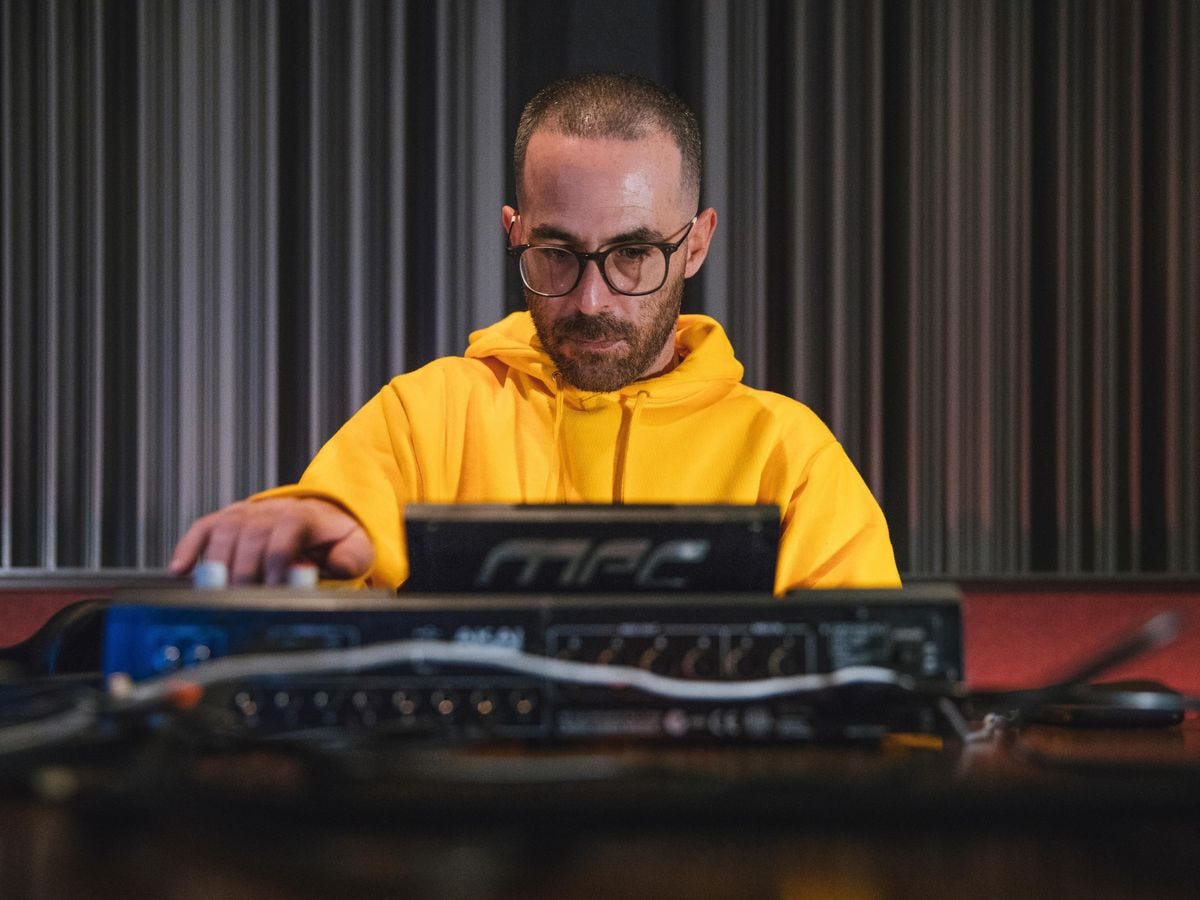
Since its initial release, the work has been plagiarized and reproduced on multiple occasions without proper credit. If you incorporate any portion of this work into your content, please provide appropriate attribution and include a link to the original source.
This piece is published with no intention of monetization.
It is offered as an evergreen archive, in respect and gratitude, to Alch’s lasting impact on the lifestyle we all know and love—hip-hop.
Alan Maman has spent the better part of three decades leaving fingerprints on hip-hop’s most enduring records, all while keeping his name out of most people’s mouths. The depth of his roots—embedded in collaborations with a long list of hip-hop’s greats—gets overlooked more than it should.
A quiet force in hip-hop production, he has stayed in the shadows, crafting classics in his dimly-lit studio while keeping to himself.
The Mudfoot Era
It was the early 90’s—height of the Golden Age. The West Coast had G-funk and gangsta rap roaring, while the East Coast was consumed by boom bap. The genre was being refined and reinvented in real time, and the culture maintained a rebellious stigma within media.
During this time, Maman, a Beverly Hills native, would start to carve a path for himself. Never Hollywood-esque (aside from hosting his high school’s cable television show in 1992), he would align himself heavily with hip-hop culture, creating a duo in 1991 with local friend Scott Caan, calling themselves The Whooliganz. Scott would go by Mad Skillz, while Maman’s moniker of choice was Mudfoot.
B-Real of Cypress Hill recognized Maman freestyling at a house party, extending a hand in Maman’s career efforts, offering The Whooliganz entry into his friend DJ Muggs’ art collective, The Soul Assassins.
This dude [Maman] had bar work [able to spit nice] at 13, maybe 14.
Wildly successful with a self-titled double-platinum group album Cypress Hill, B-Real saw genuine potential—via his good friend and notorious music dot-connector behind the scenes, Amanda Demme. Maman accepted, and the duo was suddenly on a nationwide tour alongside the Soul Assassins. They weren’t just affiliated; they were friends.
Through that network, The Whooliganz landed a record deal with Tom Silverman at Tommy Boy Records, though the label shelved and dropped them after their debut single saw lackluster airplay; the album, Make Way for the W, never saw a proper release. Caan decided to follow his father’s footsteps in acting, while Maman gravitated towards DJ Muggs’ work for Funkdoobiest and started learning how to produce.
It was the mid-90’s, and Maman was putting in long hours learning the ropes. Nearly 30 years after the fact, he reflects with B-Real on the rise to fame and honing his craft:
I always say, you gotta put your 10,000 hours of work in.
You gotta master your craft, but it’s gonna be one unforeseen scenario of timing that’s going to line up, and that’s going to be the real thing to take you there.
You still need to put your 10,000 hours of work in. That’s all those years, [of] what I did.
Then, it was unforeseen scenarios, which are really based on timing.
He recollects taking B-Real’s GMC Typhoon in ‘94 to the airport before Woodstock, picking up a young and still relatively unknown Busta Rhymes.
Maman eventually found himself at a crossroads in life, and only one thing was certain: Mudfoot had to go. A reminder of an era gone by.
It’s speculated that after resonating heavily with Paulo Coelho’s The Alchemist, he adopted the book’s name as his alias, finding parallels with the book’s protagonist, Santiago. Others say it was from his name being Alan and him playing the role as some sort of beat chemist, combining the two words to land on Alchemist.
The new millennium was on the horizon, and The Alchemist had refined his production skills to a degree that raised the eyebrows of those around him.
The Cusp of Making It
The Alchemist was brewing heat at a degree few could match. He was mentored primarily by DJ Muggs early on, and absorbed the drum master knowledge as best he could.
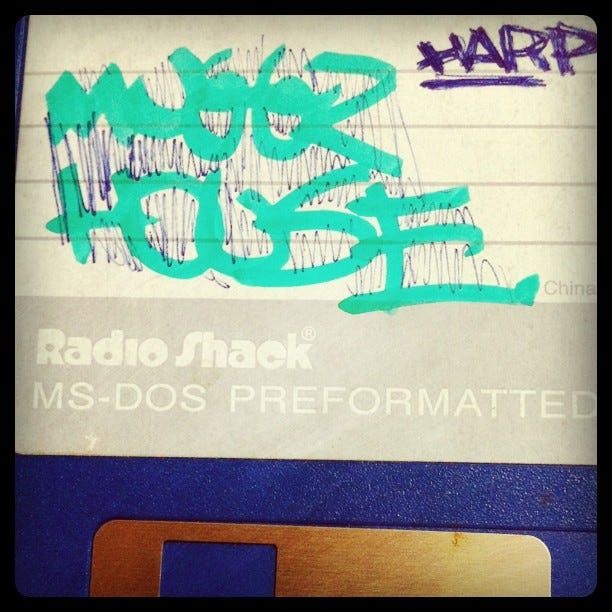
DJ Lethal, a mutual of both, took Al to a local Guitar Center and pointed out the ASR-10. Al was initially more invested in a Roland SP-404, but Lethal told him to go with the Ensoniq ASR-10—same as the rest, except it had keyboards.
The young producer obliged. From that day forward, he developed his style around the ASR-10 as an instrumental part of his production artillery (no pun intended).
His first credit with a big name on it came in the form of a remix called Tequila Sunrise featuring Fat Joe, the Bronx boss.
That was a big deal for me.
This served as the entry point for a slew of remixes over the next couple of years. Within that time, Al continued to pick and choose inspiration from a wide variety of interactions and connections he had built within the industry.
Childhood friend and fellow artist Michael Perretta, better known to most as Evidence of Dilated Peoples, was one individual that opened doors in his career.
In 1997, the world would hear the first contribution to Dilated Peoples from The Alchemist in the form of Third Degree. Al’s first formally credited step with Evidence, and a stepping stone for a large amount of collaborations down the road. The beat was laid back and simple—you can hear the differences in the style he brought to the table back then, heavily influenced by more old school acts from the late 80’s.
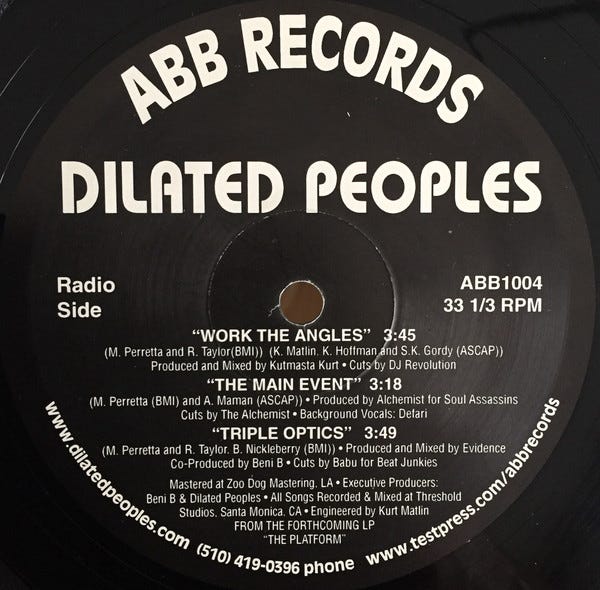
A year later, he’d hop back into the studio with Evidence and do work on The Main Event, which he co-produced. Not technically a member of Dilated Peoples, Alchemist was still reppin’ Soul Assassins. On the vinyl itself, he is credited as Alchemist for Soul Assassins and it denotes that he was represented by ASCAP. Dilated Peoples would go on to be signed by Capitol Records, and release this song through them two years later in 2000.
Keep in mind this was exactly the same time Madlib was coming up with Tha Alkaholiks [Tha Liks] which Dilated Peoples had an affiliation with. The man behind Quasimoto himself speaks a bit on the experience of The Liks and what it was like living through those times in a rare French interview:
The underground smash album Likwidation, their third body of work by ‘97, was already making waves on the West Coast for its breakbeat and OG sound, harnessing what was considered to be among the most “wide and fat beats” EQ’d up to that point in time; a feat perhaps only matched by Dilla a few years later.
Coming back to The Platform, Tha Alkaholiks would end up featuring on a track titled Right On produced by Toledo, Ohio native Eric “E-Swift” Brooks.
The Alchemist crafted 5 beats for this album, becoming an established go-to for the Los Angeles crew led by childhood friend Evidence, and putting him on the radar of Madlib and The Liks early.
College was on the horizon, and it was time to pack the bags. New York was the next stop.
Lost In New York
Al made the decision to move to New York for college, which meant flying back and forth across the country to make things work on the music side. He needed to balance priorities in life while maintaining a high and positive reputation within the hip-hop scene. Otherwise, he would fall short.
A key figure who often goes unsung was the late Bigga B. A producer and A&R, closely affiliated with DJ Muggs and the Soul Assassins clique, Xzibit’s come up, and the deep underground of West Coast hip-hop. A master curator—many acts coming up in the mid-to-late 90’s owe much of their put-ons to Bigga B.
Before passing, Bigga B would link DJ Muggs with Queensbridge hip-hop group Infamous Mobb, close affiliates of Mobb Deep, consisting of Havoc and the late Prodigy. A tribute written by Eddie Huang for the New York Times details how much P cherished those close to him.
At the turn of the millennium, Mobb Deep was on a streak few in hip-hop could follow. Although active for nearly a decade at that point, they saw immense success with their second studio album, The Infamous, continuing their rise to fame with Hell on Earth.
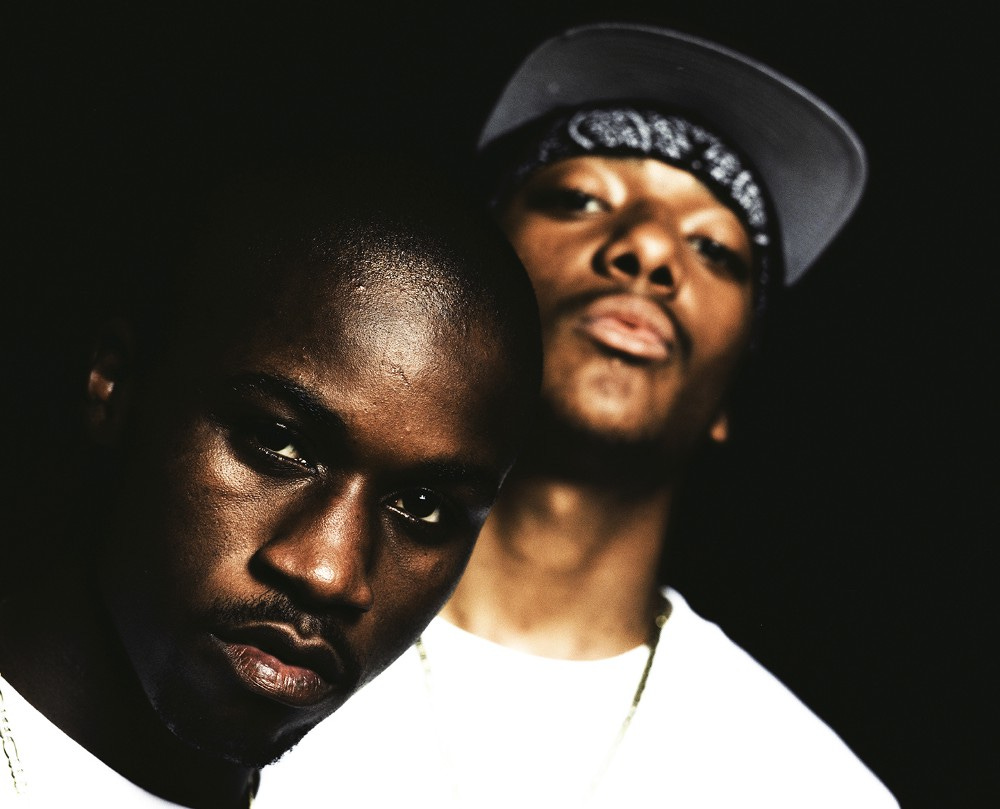
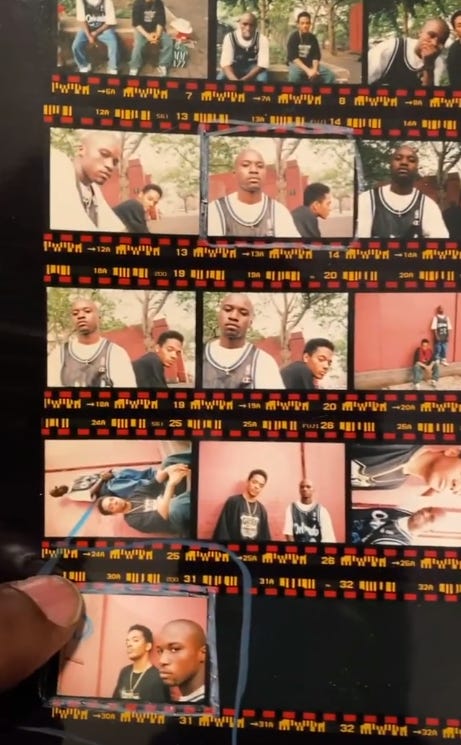
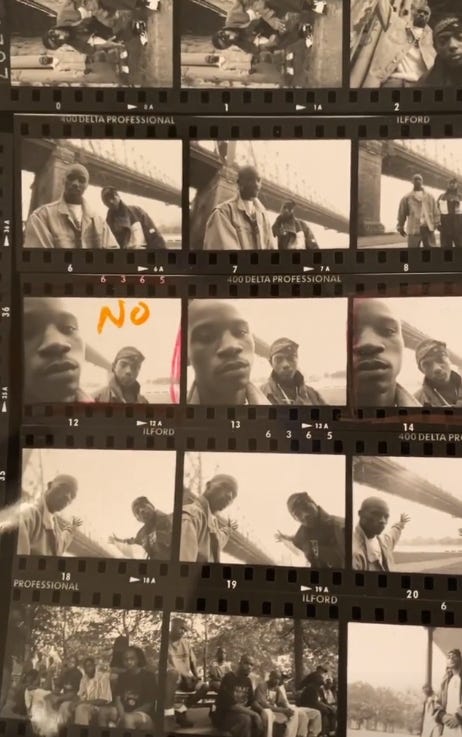
Good news for the Beverly Hills native. More opportunities for connecting—business and friendship—on the other coast. As he focused more on remixes and came into his own while producing beats, he became more lost. A young kid attending college in New York, trying to make it as anyone else would, yet he had no real plan or direction. DJ Muggs was no longer by his side all day, and he was on his own.
After linking with Infamous Mobb and building strong bonds, he continued making beats. He linked up with DJ Premier and his crew as well. In a 2015 interview, DJ Premier recalls a studio session where the four of them hung out to finish up some beats, following Canibus rejecting a track.
And J. Dilla was there at the session.
Al was in the loop with the Dilla stage, so he could lamp with us and smoke for a lil’ bit.
We just hung out. I knew him for a long time as well.
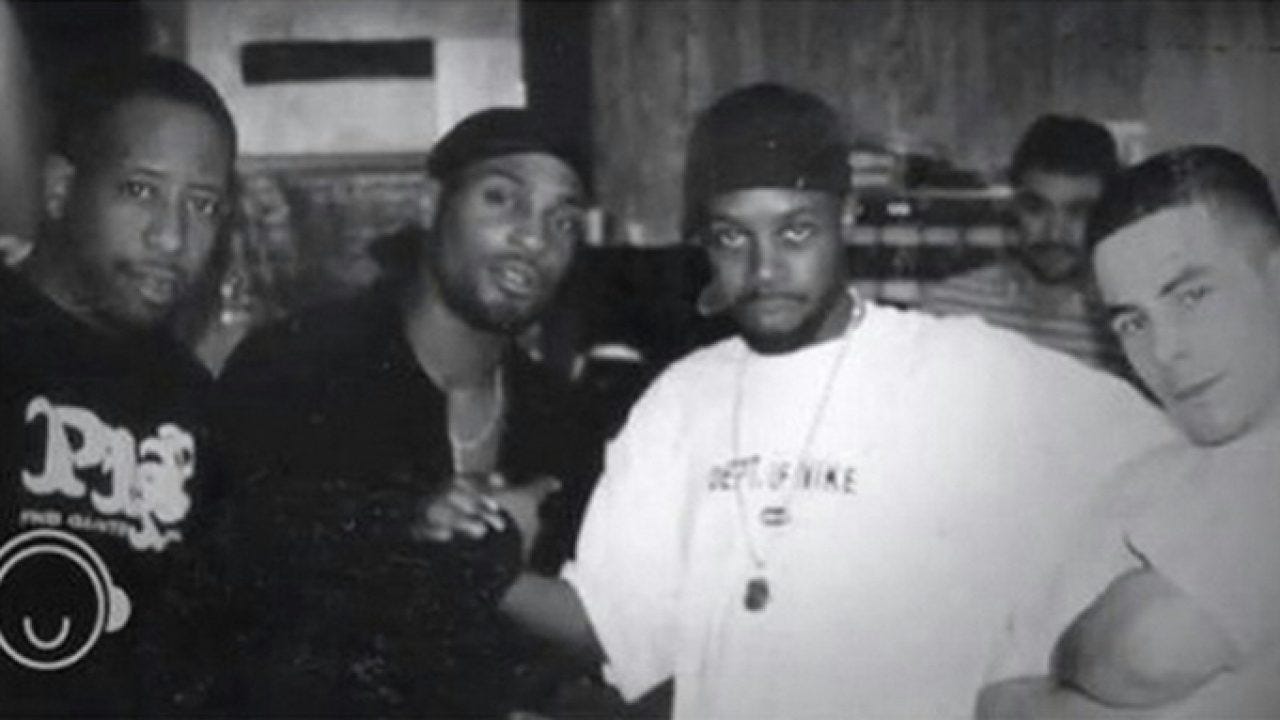
Wandering the streets of Queens aimlessly searching for something tangible to grab onto for his future, Al was torn when it came to keeping the dream alive.
It would be Mobb Deep that found him and took him under their wing.
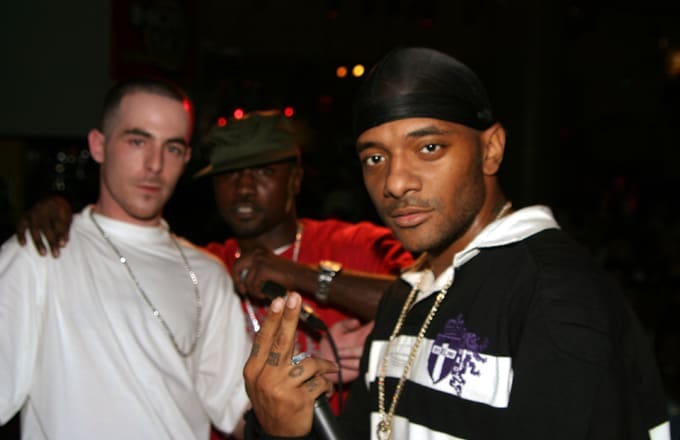
Prodigy initially thought he was a fed until he laid beats down on the pad. In his 2011 autobiography My Infamous Life: The Autobiography of Mobb Deep's Prodigy, P exclaims:
When Alchemist came around with those dope beats and I saw how serious he was about his career, I embraced him like a brother.
He was like a gift from the heavens.
That white boy’s got a lot of soul.
We made up nicknames for him like White Chocolate, the White Vulture, and the Rare White Bird.
In a rare interview with Pop Killer, Al appears visibly emotional while explaining how Havoc and Prodigy turned his life around:
They [Mobb Deep] just found me. I was lost, you know what I mean?
Walking the streets of Queens, just lost at the time. Walking around Queensbridge, in different alleyways, trying to find myself.
...
Mobb Deep took me in, they polished my style up, and I learned. I just learned, I sat back and learned.
That’s the first step—absorb.
That meeting took place in 1999, over two decades ago. The same year that The Realest beat would drop, according to Prodigy:
Must have been ‘99 at the Soundtrack Studio in Manhattan...
...
First tour, Family Values...
Mobb Deep recognized the young producer’s ability and granted him access to produce on their upcoming album already in production, Murda Muzik. He joined them on their 1999 tour, Family Values.
When asked by Prodigy in a very rare Rap City episode with Mobb Deep on the tour about Murda Muzik the movie, Alchemist said the following:
It’s Mobb Deep. If you know them, it’s their life. It’s how they live, like taking a piece of their life, and putting it into movie form.
If you know the records, it’s like a visual. Everything they speak on, you see it.
It’s the realness, you know?
He produced two tracks for the album, but he struck gold with The Realest, utilizing a soul sample via the 1974 classic Born To Lose You by Ecstasy, Passion & Pain. The track would go on to be a standout, and subsequently propel Al near the top tier of names to watch in New York production.
It was now 2000; a 22-year-old Alan Maman, within the span of a half decade, had pivoted from a startup rapping duo alongside Scott Caan into a full-fledged hip-hop producer, now working beats for the scene’s elite. He was known on the West Coast via Dilated Peoples, making shockwaves there, while also carving a name for himself at the very top of New York rap as an outsider. Consistently making remixes, producing for Prodigy on top of Mobb Deep.
He kept a low profile and seemingly intentional anonymous aesthetic to his presence, feeding into the buzz and mystery all around.
Who was this kid in his early 20’s, and where did he come from?
The New Millennium
Al was coming into his own. Establishing a brand, playing into the Alchemist aesthetic. One of the very first projects he dropped was entitled The Chemistry Files, an instrumental piece showcasing what he considered to be his most potent work. The 12-inch 33⅓ RPM vinyl was printed military green, with what appears to be a very smudged selfie (in 2001?!) on the cover.
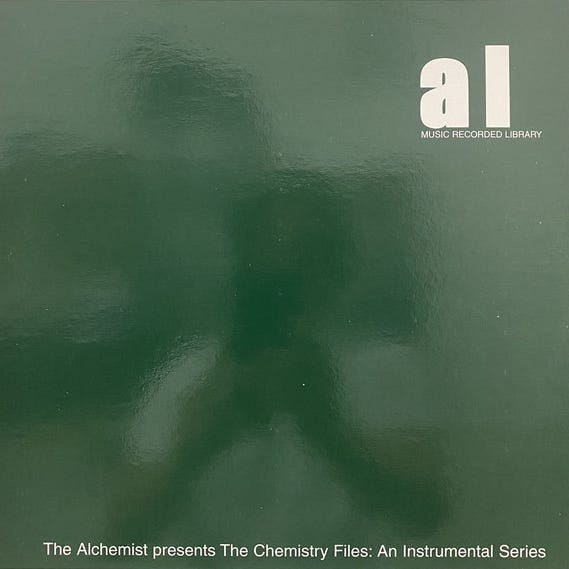
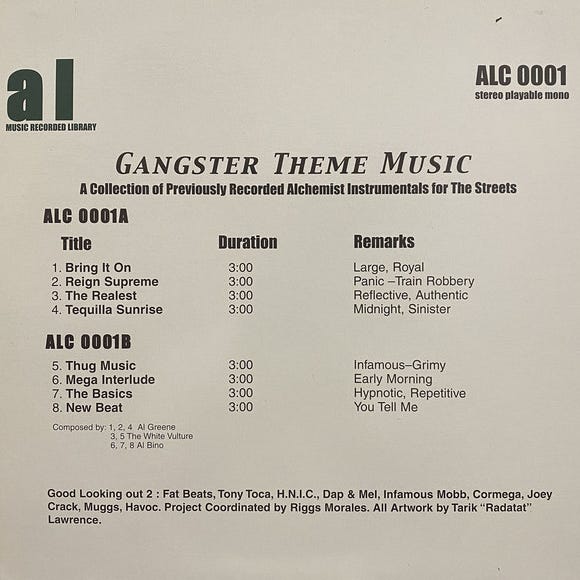
It had both new and old beats, along with a unique Remarks column describing each beat’s vibe in Al’s own words. This could very well be considered the origin of his production journey—his first body of work crafted entirely by himself, as opposed to a remix or feature.
More portfolio piece than marketable product, he focused on continuous output.
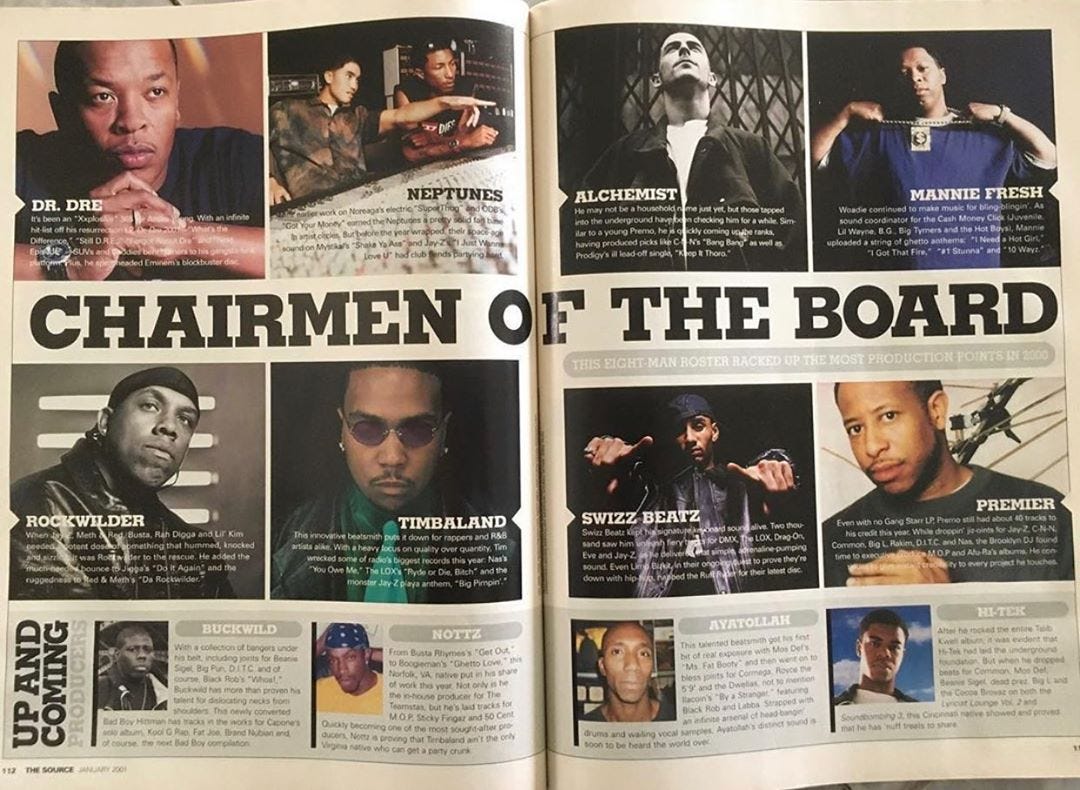
With some luck on his side, exactly 1 year later to the day, he would appear in The Source, seemingly as an outlier, in a full two-page spread of the best producers in hip-hop.
He wasn’t up-and-coming anymore. He was at an elite level.
2001: A Hip-Hop Odyssey
Perhaps the most important year in Al’s career; one that would solidify his namesake and position among the largest names in hip-hop production.
By now, he was in with all the top New York names, but he was still fiending to make his portfolio more impressive. Flying back and forth endlessly between the coasts to maintain relationships and output, it was difficult to find a balance between Cypress Hill and Dilated Peoples in Los Angeles while Mobb Deep remained in New York.
Things started coming together in late 2000, and Al was rummaging through beats and samples, attempting to make magic happen. He would end up releasing two songs the next year which would define him through the early 00’s; undisputed classics, which have stood the test of time nearly two decades later.
The classic names who we often take for granted today were in their primes.
We Gon’ Make It
The release of We Gon’ Make It (stylized as We Gonna Make It) did not come without controversy. Accused by Ras Kass’ crew for double-dealing after a verbal agreement in late ‘99, Al fired back claiming it was his legal team’s fault. Since then, the two have made up their beef. In 2006, Al was featured on a track with Ras Kass on his Revenge of the Spit mixtape.
In retrospect, perhaps the ordeal was a blessing in disguise. New York heavyweight Jadakiss was working on an album set to release in August of 2001 titled Kiss tha Game Goodbye, a massive release that would include hip-hop’s largest names as features: Pharrell, Nas, Snoop Dogg, The Lox, Styles P, Swizz Beatz, Nate Dogg, DMX, among others.
Zoned in to his studio, The Alchemist put together a beat and sent it around his network; many showed interest, and it only made its way to Jadakiss after being passed on by both Nas and Jay Z by way of Nashawn Jones, Nas’ friend from QB who went by Millenium Thug.
First time Al would collaborate with Ruff Ryders. Still one of Jadakiss’ largest hits, We Gon’ Make It went on to be the lead-off single, resulting in first-week sales for the album passing 200,000 copies.
The album itself, despite its star-studded lineup on paper, would never make a massive impact on the game; overshadowed in part by In Search Of... by N*E*R*D a day prior, and The Blueprint by Jay Z hype, which would drop a month later and kick off the infamous Nas vs. Jay Z beef with Takeover, a track produced by a then-unknown talent who went by the name of Kanye West.
The Alchemist-produced single was the highlight of the album. Even though the album didn’t hit like Jadakiss may have hoped, Al was a known name now; if not by association, then by radio play.
Worst Comes to Worst
A month had gone by since the release of Jadakiss’ album, and Al was back in the hot seat producing beats left and right. Following Dilated Peoples’ debut album The Platform—which Alchemist produced just short of half a dozen tracks for—the group was set for success when they put together the initial tracks and feature lineup for their follow-up, Expansion Team.
A movement in and of itself, the album acted as a statement against current trends in hip-hop, straying away from gangsta rap and aligning more closely to traditional conscious. Alchemist speaks on how the sound of Dilated Peoples was influenced heavily by East Coast vibes:
That’s why, Dilated Peoples when you really listen to it? We were trying to be like Gang Starr.
On the best day, we could be half of how dope they [Gang Starr] are.
...
[DJ] Premier? Man. Evidence will tell you, I made fake Premier beats for YEARS. [laughs]
The old school traditional sound is where he shined the brightest. He sat in the studio while Gang Starr produced their magnum opus, Moment of Truth, back in 1998.
In charge of producing Expansion Team’s lead single, while being mentored by Havoc, Al tapped into one of Mobb Deep’s biggest records—Survival of the Fittest—for the vocal sample.
Somehow managing to find balance between Havoc’s hard-hitting drums and the sultry elegance of William Bell’s I Forgot to Be Your Lover, Al crafted something that would appeal to both hardcore hip-hop heads and more casual radio listeners.
Gold again. Elegant mid-70’s soul blended with gritty OG boom bap. And the late Guru, legendary MC, hopped on the track as a guest feature:
Gifted Unlimited with Dilated Peoples Babu, Evidence, Iriscience
And a shout out to my man Alchemist on the trizzack
Still, to this very day, Dilated Peoples’ most successful song.
Released October 23rd, its presence would grace hip-hop two days prior to Al’s 24th birthday.
1st Infantry and Hold You Down
When people hear the name The Alchemist, the usual go-to song is Hold You Down. Hypnotic and simple, the beat is familiar to anyone who has ever listened to hip-hop. Whether you know who Al is or not, chances are you’ve heard it. Somewhere, in some place, at some time.
2004 would be Al’s return to the pen and pad; he had been on a production wave for over a half-decade with almost no verses laid down. Hungry to try his hand at rhyming again, putting together a cohesive project with his newfound knowledge of hip-hop behind the curtain.
He got into production to get his name out there. Over time, he ended up sticking with it. After producing consistently for three years following an explosive 2001, he was ready to grip the mic once again. His production credits included hip-hop’s best.
So it was set, and Al went to work on his own rap album. The lead single would be Hold You Down, with Prodigy spitting the opening verse. Below, rare footage of the two chopping it up, sometime between 2003 and 2004:
Two versions of the music video exist: one mixed with movie clips featuring Prodigy in the hood spitting, the other a more “consumer friendly” version which aired on VH1 and MTV:
Directed by old friend Estevan Oriol, this song combined many things which led to its success. During the height of “chipmunk” production, it sampled Al Kooper’s The Landlord theme, sped up to be in line with current trends. Crafted with close to a decade of production experience at this point, the beat was both catchy and broad in its appeal—strategic and smart, as it broadened exposure for the now well-known producer.
This was also among the first instances where Al was breaking out of his shell; previously anonymous and hidden behind closed doors, no one really knew who The Alchemist was. Many believed he was a black producer out of QB, or otherwise, as he states himself when reflecting on that half-decade leading up to the release of 1st Infantry.
When you can match a face to the name, you start to get in touch with the identity of who and how I am.
It’s all about the music to me. Hold Me Down [sic] was instrumental to putting me out there.
The album acted as a reflection of his career up to that point, with rhymes dating back to ‘99.
A long list of guests made their appearance: Nas, Prodigy, The Game, Mobb Deep, Dilated Peoples, Twin—everyone who featured were people he had touched previously and linked up with.
He also credits his brother Neil Maman on the album, for production and management, although he says his brother Neil “doesn’t understand music on a technical level” thus implying he was credited for longevity’s sake regarding rights.
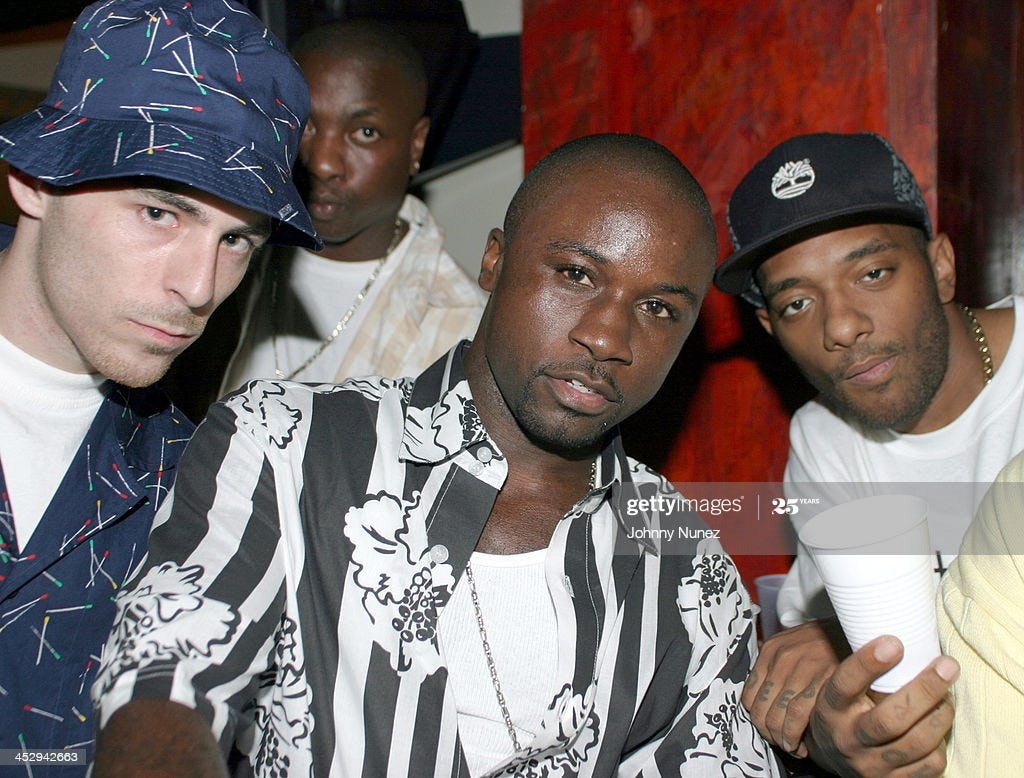
In a 2004 interview with Rap Reviews, Al states the following:
I think being able to just express myself—because I’m not rhyming on all of these beats—I still have to express to how I feel.
Even if I play some stuff on the keyboard, I keep to my formula.
I don’t really know how to play, but I’ll play stuff and I’ll sample what I play and chop it up like it was a record.
So I still keep my same formulas in how I do what I do.
That formula may change from record to record, but there’s something in it that makes people bob their head back and forth, letting them know who’s there. Not the tag nor signature loops, but the feeling you get when you hear an Alchemist beat. Singular, and rivals that of DJ Premier, Madlib, Pete Rock, and others’ styles where you know it will be a treat. Calculated and controlled.
He liked to share the magic when he could, too:
Alan Maman now had a decade under his belt; his debut solo album had dropped, and the new year was approaching.
A perfectionist at times, Al contemplated what would push his career along further. There was no other option than to go straight to the top.
So, he did just that.
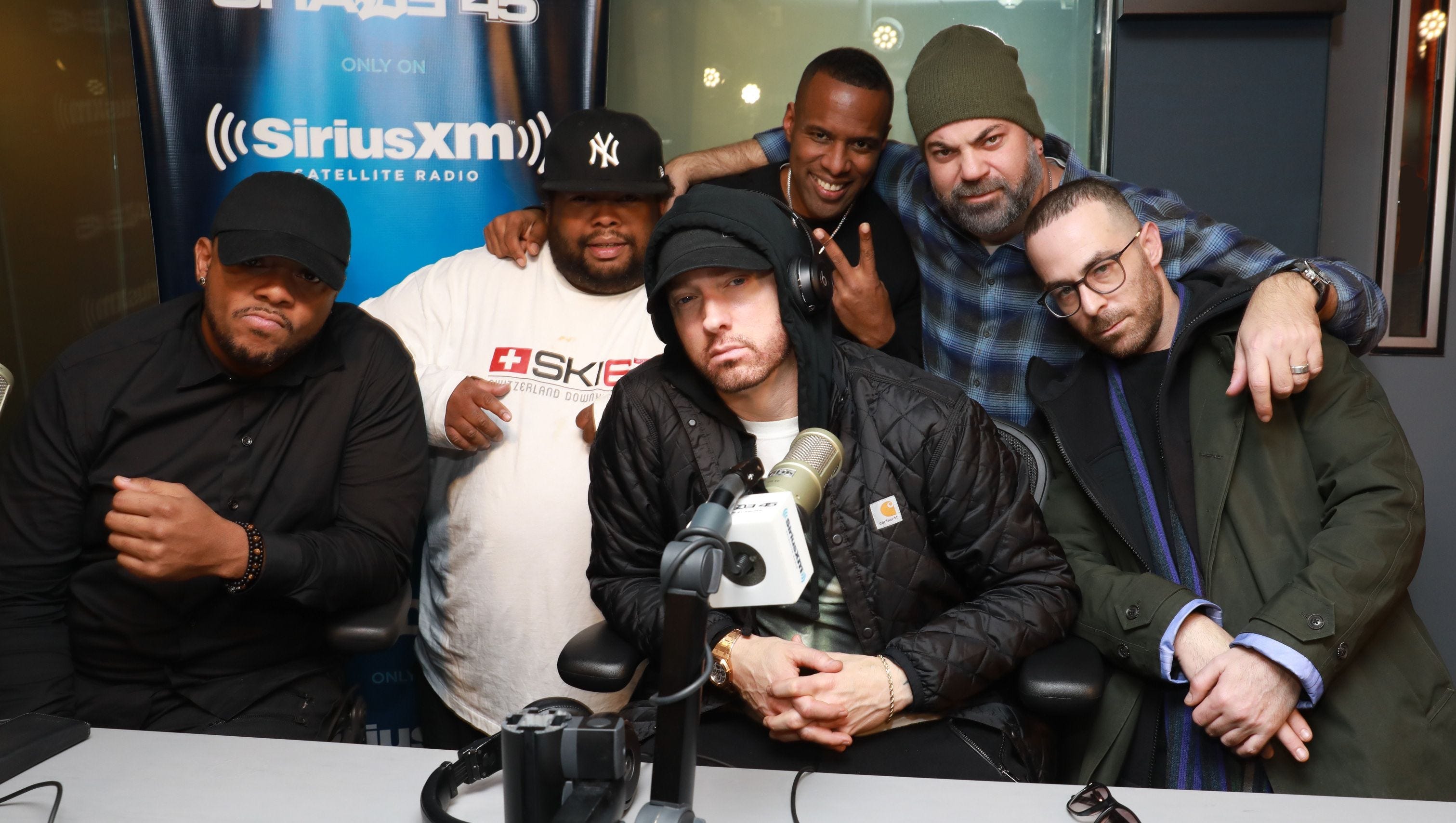
Becoming Eminem’s DJ
Following the release of his debut solo album, Al linked up with Eminem, the largest name in hip-hop at that time, arguably all-time depending on who (or where) you ask.
Contrary to popular belief of Eminem magically “discovering” Al out of the blue, the two had been aware of each other since 1999. Al was managed by Goliath Management and Paul Rosenberg throughout the early 00’s, so he was naturally associated with the entire Shady camp.
In 2005, Em invited Al to DJ for him on the Anger Management 3 tour; from that tour forward, Al became his go-to in-house DJ. Not producer—up until 2020 with the Step Dad track, Em had never used an Alchemist-produced beat on one of his studio albums.
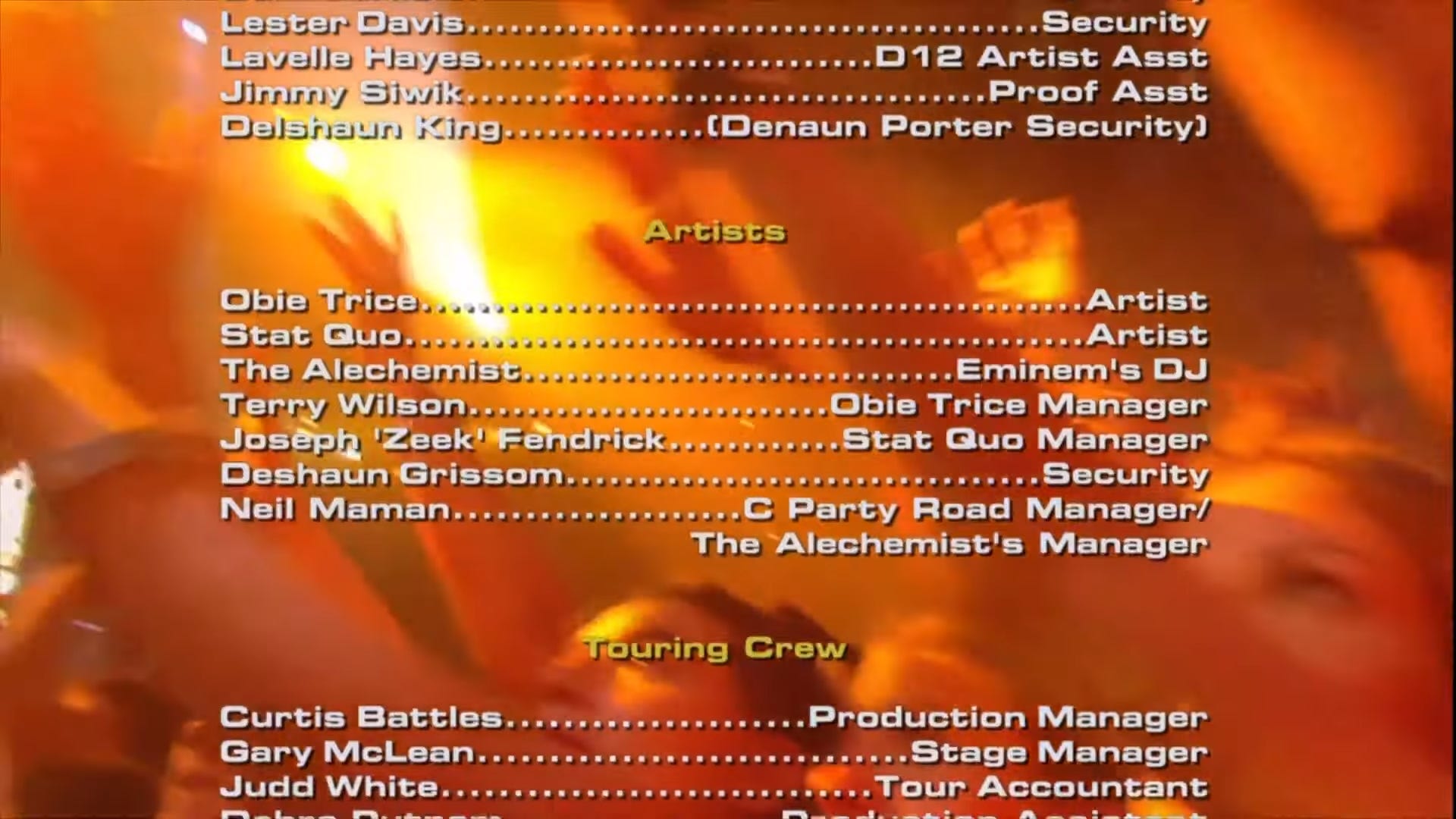
With one of the largest tours in the world came fame and notoriety, including Curtis “50 Cent” Jackson, who was riding off hit after radio hit, merely two years after being signed to Shady Records via Em. On top of genuine friendship, this was business opportunity for Alch; his network was overflowing, and he was all for it.
During the tour, Eminem’s tour bus crashed; Al suffered serious injuries, but everyone involved was treated appropriately and recovered.
Among those injured was Eminem’s DJ Alan Maman, also know [sic] as Alchemist; the 27-year-old from New York City was listed in good condition Thursday.
Over the next few years, Alchemist’s output was consistent but did not pop like it did prior. His priorities were with Eminem, and that was a double-edged sword.
Volume of Work
An observation you’ll notice while digging through The Alchemist’s discography is the sheer volume of work. Hundreds upon hundreds of credits, perhaps going past a thousand if you include compilations and songs we don’t know he helped out with, or ones which are uncredited.
It would be nearly impossible to break down each body of work in a piece like this. This is why we’ve focused mainly on larger projects, as his library of beat tapes exceeds dozens. Perhaps it would take a book with direct insight to adequately do a proper deep dive.
Following the 2005 Anger Management 3 tour, Al continued with the beats and planted the seed to follow up his debut solo album. Chemical Files with DJ mello dropped in 2005, a compilation of already-released tracks mixed into a tape. No Days Off dropped a few months later in 2006, designed by D-Day and mixed by Al himself; another quick joint with great features on paper.
During this era, we saw a collaboration with Linkin Park, a return to remix a Cypress Hill song, among several other beats. This also was when Al started work on Return of the Mac with Prodigy, a collaboration album which would be hailed across hip-hop as a return to form for the Mobb Deep legend.
An on-point performance by the man behind the beats, who at this point was becoming a household name in rap. Smooth like butter. He would also collaborate with Prodigy and Nina Sky once again, for a track called Key to the City:
2009 saw the release of The Alchemist’s second studio album, Chemical Warfare. Playing on the military theme of the first album, this one acted as a futuristic vision of that concept. The lineup was just as strong, if not stronger than the first.
Featuring Snoop Dogg, Eminem, Fabolous, Talib Kweli, Blu, Kid Cudi, Pusha, Jada, Kool G, and others along with a bonus track with Madlib’s brother Oh No, it was clear that Al was taking rap very seriously and teetered on the idea of production versus rhyming constantly. Here, we see Al speak on Em lobbing him a verse:
Although he was good at raps, he outdid himself on the beats. He may have been a rapper before a producer, but many viewed him more as a producer who tried his hand at rap.
At this point, Alan Maman was nearly 15 years into his career. He could be considered a household name in the hip-hop scene, albeit contrary to some reviewers, and put himself out there enough to be recognized. Although his raps would not gain the same exposure as his beats, he was still in the zone when it came to anything he touched.
Revered and respected by the elite, he was in a good place, but needed some spark. Songs would drop—Lose Your Life in 2008 with Snoop Dogg, for example—but they were more or less flash in the pans or flavor of the month type joints.
He would strive for more full-length collaborations in the coming years, focusing on the idea of sticking with a single artist and producing an entire body of work with them.
Heavily inspired by his 2007 release Return of the Mac with Prodigy and 2009’s The Antidote with Fashawn, Al would continue this trend going into 2010 and beyond.
He was after reverence, not fame.
Gutter Water
It was early 2010 when Alchemist threw around the idea of forming a group, for real, with Madlib’s younger brother and studio regular Oh No, someone introduced to him by Evidence.
The duo elected to be deemed Gangrene and would release Gutter Water following a short EP titled Sawblade just a few weeks prior. Perhaps one of the more strangely titled bodies of work Al has under his belt—albeit my favorite title to a project of his—the aesthetic followed suit.
A take on cinematic rap within the New York scene, the insight of street storytelling and an approach which Nas claims is a large part of his rhyme-writing process, it was a sect slowly fading in favor of more accessible sounds.
A complete 180 for Alchemist, and a slight shift for Oh No. Tom Breihan throws down some knowledge:
Alchemist is probably still best-known for crafting gutpunch street-rap anthems for guys like Mobb Deep and Jadakiss, but his early-decade aesthetic is almost entirely gone from Gutter Water.
That clash of styles, despite having a very similar approach to hip-hop as a whole, melded perfectly. Although Pitchfork threw it a 6.7, it was loved by fans on both sides, and cemented Gangrene in the annals of hip-hop as another duo that could make magic happen.
Perhaps the title acts as an allusion to that cinematic fragment of rap being slowly lost through decay.
They would go on and collaborate for five more albums before taking a hiatus in 2015.
Covert Coup
Following respectable success with Gangrene, Al continued to collaborate with artists who he considered to be both inspiring and friends; one thing he is staunch about is only collaborating if both sides agree.
That came in the form of 2011’s Covert Coup, a mixtape with Curren$y which Al reflects on as one of his favorite projects. The aesthetic of his collaboration albums up until this point had been consistent: post-apocalyptic and grim, seemingly out on the ends of society attempting to survive and weave through the obstacles that had come before them.
Pseudo-conceptual in a way, it was a new direction for both artists, which resulted in a solid project overall. Although it did not make a massive splash, it turned heads and made fans further appreciate the work.
This would also be one of the very first times Freddie Gibbs worked with Alchemist on a released project, featuring on the track Scottie Pippen, planting the seed for future collaborations. Al and Gibbs had crossed paths as early as 2003:
People don’t know that me and Freddie go back to 2003 or 2004. We was making music a long time ago. Nothing ever came out. It’s funny how we just reconnected.
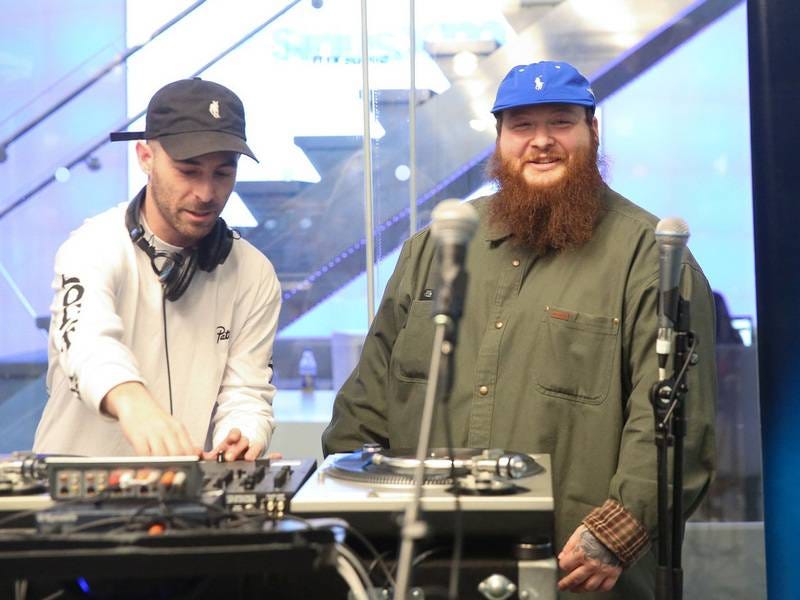
The Action Bronson Era
Al always had his ear to the streets; trying to keep himself on top of what was hot, and what was burgeoning. Music itself is dynamic, and hip-hop as both a culture and genre is one of the best examples of this.
Around 2010, he found himself listening to Action Bronson, a then up-and-coming chef-turned-rapper out of Flushing, Queens. They would befriend each other, and Alch was now part of Bronson’s clique alongside Big Body and Meyhem Lauren.
A 2012 project titled Rare Chandeliers would be the result of their initial music collaboration, with many more to come following, which we’ll touch on later.
The Vortex of Russian Roulette
I’d be more than willing to die on the hill that Russian Roulette is one of the best conceptual albums ever made, perhaps only rivaled by A Grand Don’t Come For Free by Mike Skinner. Criminally slept on, the themes and approach to this cinematic masterpiece of music resulted in waves of influence still seen today.
It was the sonorous ayahuasca trip that sent The Alchemist into a vortex that he never came out of, in the best way possible. If you were to nail down a point in time where Al changed his entire sound and approach to music, this would trump even his style switch during Gutter Water. Al himself admits he still hasn’t come back:
The bars on the album were not the best in the game, nor were the beats the most radio friendly or hard that he had produced. That didn’t matter nor was it the focal point, despite critics smacking it for those exact things. Nobody saw the bigger picture of what was happening here.
A tried and true producer, a now-heavyweight of the rap game, was producing what would turn out to be more akin to an audible painting than a hip-hop album, any way you sliced the cake. Consisting of 30 tracks, it was a magnificent example of how Al could craft something cohesive, have it not be a traditional hip-hop album in any sense, and still knock it out of the park.
The samples are heavily Russian-influenced. Completely different than his usual style of nitty gritty boom bap or hard-hitting street vibes, Al expanded on what Oh No had been accustomed to via his older brother Madlib: crate digging. On this project more than any other, Al dug deep for obscure, strange, psychedelic samples that tested the listener’s ear.
He speaks on the creation:
It wasn’t made like an album – it is more a project of audio art. I just threw it together and really spent time out hoping it will be a project you play from beginning to end. I even envisioned parts of it like a fake movie to inspire me.
Whether it was a Russian mafia film being sampled, some old niche jazz of a bygone era, or something more familiar, it worked. Controlling the obscurity, finding the perfect balance.


Was it an instrumental tape? For a few tracks maybe, but then it’d turn into a rap album.
So was it a rap album? Not quite if you were a purist; it was filled with interludes and sample-heavy asides, much like we observe in Dilla’s early work.
How about a sonic gallery, was that too pretentious? Perhaps, but it leaned more heavily towards art than a traditional music album.
So what was it exactly? Whatever you wanted it to be.
A dynamic, ever-shifting piece of artwork. He was, finally, comfortable with his ability and it showed.
I definitely felt that with this project it was like throwing the dice and I am not worried anymore.
Much more than just another release from a producer who had given two decades of his life to the game; it was proof of how far he could push experimentation boundaries within his skillset.
Synths throughout the entire project; no longer the signature loops. Beats carried the dark and sinister vibe from Mobb Deep’s aesthetic, but refracted through a different lens. A culmination of his style blended into a Russian post-apocalyptic fever dream of sounds filing into a line with style.
A cult classic. A figurative light switch in his production. Following this project’s release in July of 2012, Al’s output was different. Collaborations tighter, bolder in the risks the sounds took, and received as better projects by consensus. He would one-up even his own self, and shock the hip-hop scene with project after project considered to be of high marks or classics among fans and producers alike.
Critics largely missed the mark, comparing it to his past work and the work existing within hip-hop at that time, when its main purpose was to experiment, not compete. This should have been evident by the large array of cinema samples and brooding ambience throughout. Some even said it was difficult to appreciate—sorely mistaken if you’re a head.
The same year saw work with Dave East, Meyhem Lauren, Domo and Hodgy from Odd Future, Prodigy, ScHoolboy Q, Gangrene with Oh No, among many others.
An EP titled Yacht Rock subsequently released the following year for free on Bandcamp. The sequel, Yacht Rock 2, would end up dropping 6 years later in 2019.
No longer a question of whether his projects would be good or flop; more a question of how good they would be.
Alchemist was on fire. What onlookers were unaware of: he was just getting started.
Contributions Abound
Contribution to hip-hop is a large part of why The Alchemist has a status few have reached when it comes to respect and people knowing how much work he puts in. A long lineage of elite output is a key variable in that equation.
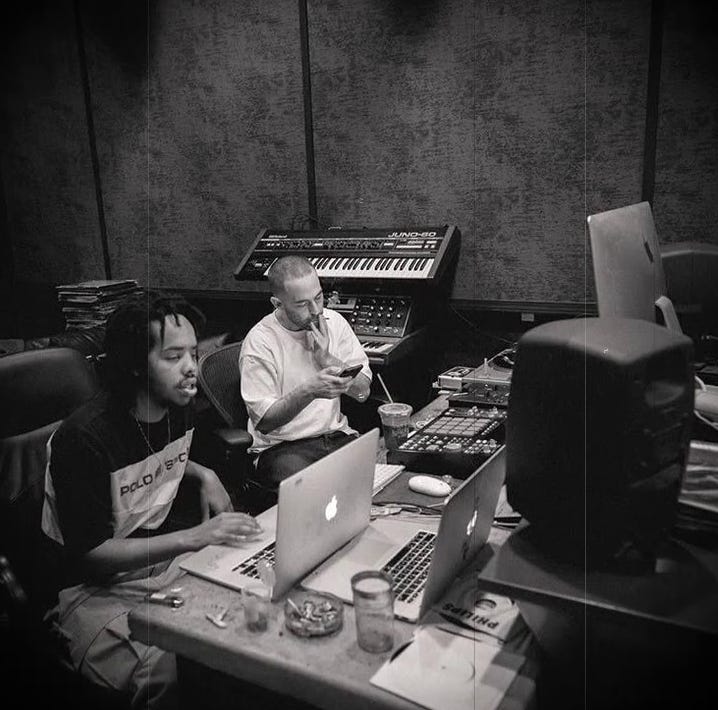
By 2013, Al was cruising. He worked with his good friend Mac Miller on the late rapper’s second album Watching Movies with the Sound Off. The result: Red Dot Music. The psychedelic tones meshed well, as all three artists involved—Action Bronson, Mac Miller, and Al—had a track record of weaving such into their music.
At this same time, Odd Future was taking off alongside artists like Joey Bada$$; Al had credits in both camps, including Earl Sweatshirt’s debut album Doris. The contribution was a song titled Uncle Al, a quick ode to the potent concoctions Al had crafted over the years:
Killing who you sinning first, verse wintergreen spit it, show ‘em that I meant it
Ho, I’m rolling with my niggas, find a gold and call the chemist
Perhaps Al’s personal favorite project, though, was with one of his mentors, Prodigy of Mobb Deep, titled Albert Einstein. Their second collaboration in album form, it was a return to form for Prodigy, and a cataclysm of sound from Al.
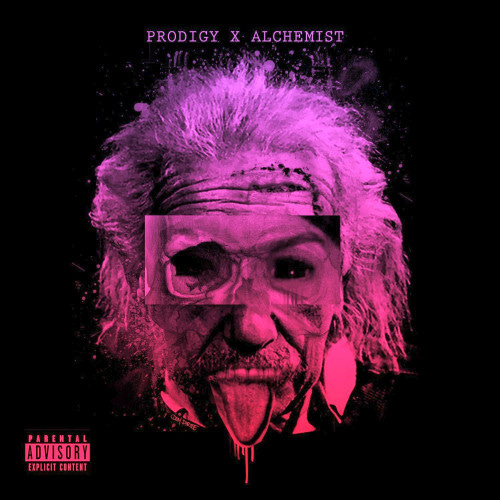
One theme within any Alchemist project is the cinematic quality, and that holds true here; perhaps one of his strongest examples, beyond Russian Roulette.
Well-received and reviewed, high marks all around.

Al had one more thing up his sleeve for 2013, perhaps the largest reach his career ever had up to that point: the soundtrack for what would become the largest video game release in history—Grand Theft Auto V.
He was the maestro alongside Oh No, for the game’s score. 2014 was on the horizon.

Step Brothers
Step Brothers, a duo consisting of Al and his longtime friend Evidence, would finally release their long-awaited project, teased all the way back in 2009. The name comes from a realization they had, according to Rhymesayers:
When Dilated Peoples had its 2001, Alchemist-produced song “Live On Stage” licensed in the 2008 film Step Brothers movie starring Will Ferrell and John C. Reilly, Dilated Peoples member Evidence and the Alchemist had a realization.
Features were plentiful, including artists they’d worked with in the past; named after a bar on Dark Shades, Lord Steppington would receive nods from the critics. Although selling only a few thousand copies first-week, it remains a favorite of fans who followed Al and Evidence throughout their careers.
A want album, not a need album, as Evidence explains in a 2013 Fuse interview:
It’s not an album we need to do; It’s an album we want to do, so if we want to do it, it needs to be right.
It’s stemming from a lot of our solo experiences and taking it back to a trio.
He lets collaborations happen naturally at their own will, if both parties are interested. Every release sounds genuinely well-made and naturally cohesive because of it.
Closer to the Present
The work output was nothing different: top-notch, frequent, and consistent as hell. 2015 saw Al work with Blu, Fashawn, Big Twins, Oh No for another Gangrene release and follow-up to GTA V’s score, as well as 50 Cent and Joey, but no single song made it as big as Terry, a track off Bronson’s Mr. Wonderful.
Not a chart-topping smash, but instantly a cult-classic within hip-hop, with people on the day of release searching left and right for the sample cut. How was he able to switch up his style so often? A question to this day, answered only with handwaving. A real alchemist, a wizard, maybe an alien.
Following a solid 2015 came an even stronger 2016; year after year, Al was improving both in skill set and output quality. He made an entire series of limited vinyls, collaborated with the burgeoning FLYGOD which established a connection to the Griselda camp, put together a collaboration project with Havoc, and became a staple part of Action Bronson’s hit series Fuck, That’s Delicious on top of other Viceland titles which he appeared on.
The world had never seen The Alchemist in situations like this, laid back and relaxed with friends who genuinely cared for him. Tough love at times—they’d poke fun at each other—but through it all, Al was opening up, becoming comfortable exposing a more vulnerable side of himself.
As fans watched the series over the years, they would at times become more interested in the bond the four guys shared than the music.
It humanized the figures and names which we had only seen on song titles and CD sleeve credits. It led the way and carved out a niche, showing by action (no pun intended) how successful such shows could be in the new age of media consumption.
It allowed newcomers from outside hip-hop to check out the artists—Al especially.
The Passing of Prodigy
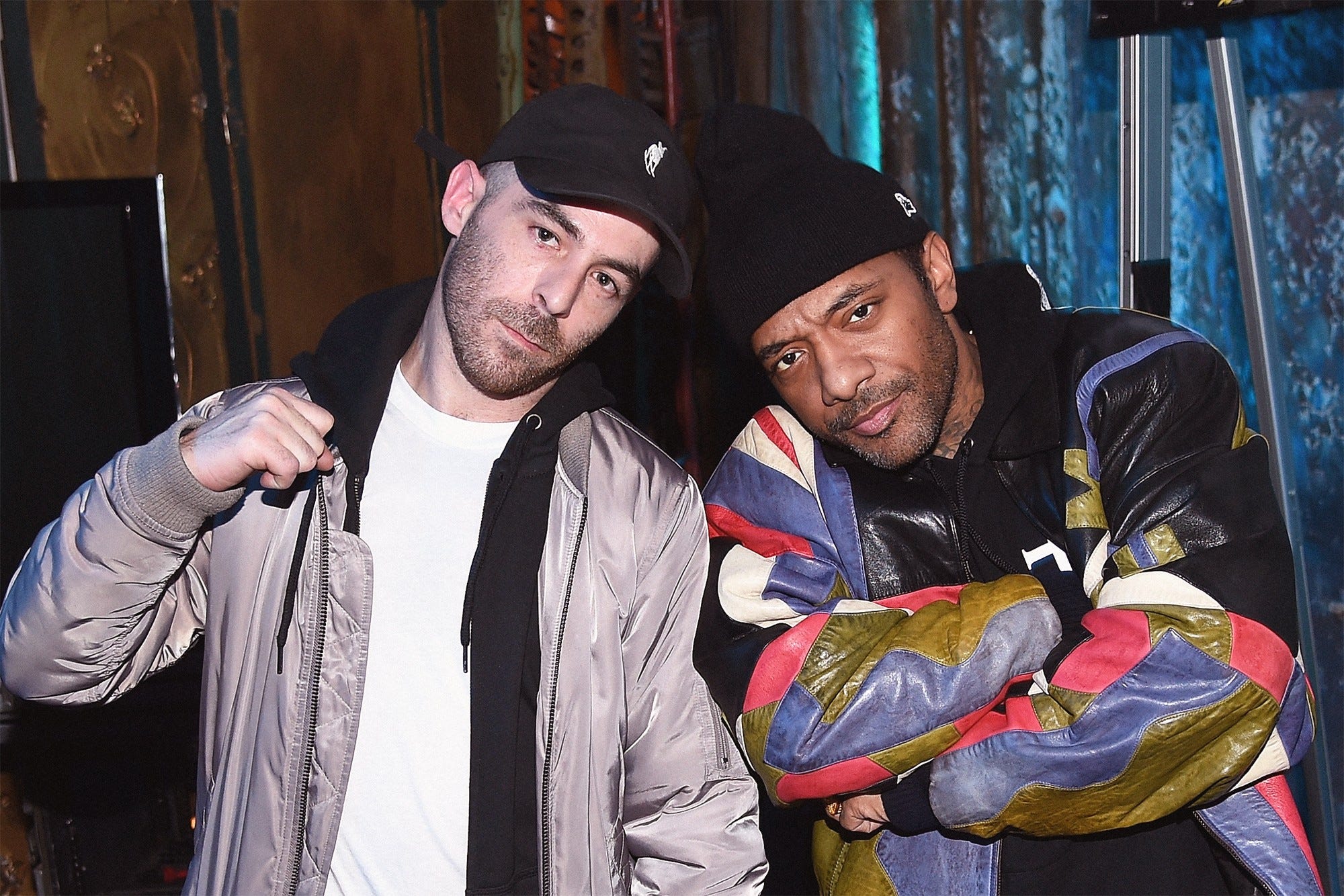
Throughout 2017, Al remained somewhat quiet and kept a low profile. His dear friend Prodigy passed in June; it was clear that it hurt him bad. Understandably so.
Prodigy had helped Al from the very beginning of when he landed in New York to make a name for himself, for two decades, up until his sudden passing. An outpouring of well wishes and support ensued, but he continued to do what he knew P would tell him to do: keep making beats.
We saw a Mach Hommy collab, two tracks for Kendrick, an MF DOOM track for an Adult Swim promotion, and a few other projects including a unique French-only sample tape titled Paris, L.A., Bruxelles. The Paris mixtape was the result of a Red Bull pitch, pulling in upcoming and established French producers, artists, and creatives to work with Al on a cohesive body of work.
He kept it to Bandcamp, “officially” released January 2018, but previously available through Red Bull several months prior.
last year i linked up with Redbull France.
They brought me out to Paris for a week, paid for my records, and let me craft beats in their studio.
(I ended up moving the equipment to my hotel room due to smoking restrictions )
[sic]
Al’s fan base was growing faster than ever. The bodies of work he was putting out were hard to go unnoticed, and he was doing it more consistently than almost anyone else.
Everyone wanted more. He heard them loud and clear.
No Days Off in 2018
One of the most prolific years in his career. If you know hip-hop, you know about The Alchemist’s output during this time; every single project, no misses, was hard as hell.
The final part in Evidence’s The Weathermen series, Weather or Not had a handful of tracks with Al on the beats; features from Slug, Catero, Mach Hommy, Styles P, Rapsody, Khrysis, and more; that was just one project to start the year.
Next up: Lunch Meat, a fully-produced and mixed project from Al featuring familiar New York names—Benny, Roc, Gunn, Conway, Bronson. Released on streaming platforms including Bandcamp, with a very limited 100-issue vinyl print.
Conscious with Evidence, sinister and gritty with Lunch Meat. He could switch on command to cater to whoever he was collaborating with, or if he was seeking a certain aesthetic. True to form and name, he had become a literal beat alchemist, able to control the result with two decades of production experience.
He’d jump to collaborating with Gunn and Conway on Budz:
Then again just a few weeks later on Supreme Blientele, an ode to the classic Ghostface album, Supreme Clientele. The second studio album from Westside Gunn—an unreal release on paper.
9th, Fraud, Statik, Roc, Pete Rock, Daringer, and Al himself handled the production. Features list made it welcomed amongst hip-hop.
Following that, we saw loosies including more Craft Singles releases via Bandcamp for the crate diggers out there, some more work with Benny and Gunn, a solid small EP called Bread which dropped on Bandcamp along with yet another very limited vinyl pressing, but nothing in 2018 came close to the masterpiece that was Fetti.
Italian Situations
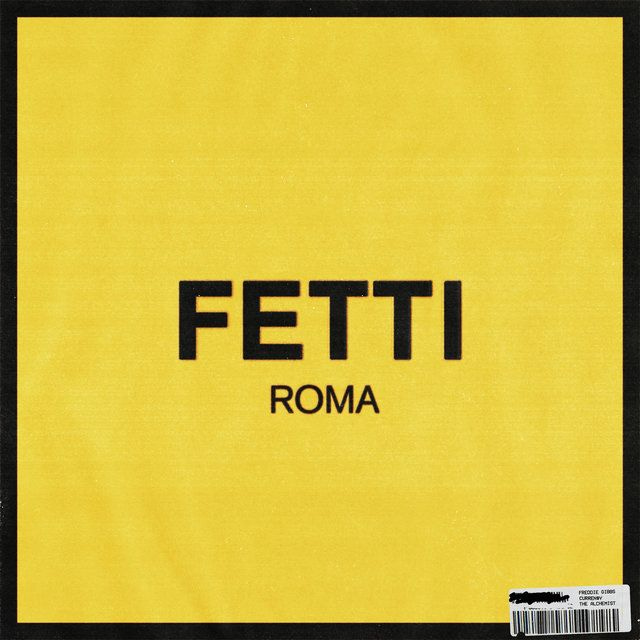
One of his career standout projects, Fetti served as the peak of Al’s work in 2018. Widely considered one of the best albums in hip-hop that year, it showed just how far the artists involved had come. Curren$y since the Covert Coup days, Gibbs since his mixtape days, and Al since he took the leap of faith and got taken in by Mobb Deep.
Coming in at just under 24 minutes, the 9 tracks are packed front to back with hard-hitting bars and production that accents it perfectly. The chemistry between all three artists was obvious.
Different than past projects—Alchemist was in the spotlight. A rare occurrence as the producer, he had built up such a reputation that he was on-par and just as hyped as those spitting bars over the beats. A class of his own, acting as a conductor for an orchestra of hip-hop, waving his baton to enhance each second.
This would widen eyes and ears as listeners looked on towards what else he had planned. The Alchemist would deliver again in 2020, creating an equivalently strong body of work titled Alfredo that played more into the Italian theme and got even higher marks—this time just Gibbs and Al. More on that soon.
Along with a Nas beat, Paak beat, working with Benny and Gunn again, contributing to Earl’s new album, and an entire project with Bronson called Lamb Over Rice, and an EP with Boldy James to close out the year, he made Yacht Rock 2.
Featuring his Fuck, That’s Delicious friends, the tape’s core aesthetic was cruising on the high seas, in a yacht, accented by Big Body’s street poetry. Only Al could pull this off. He had mastered different aesthetics and style switches to a degree that was hard to compare.
2020 was around the corner.
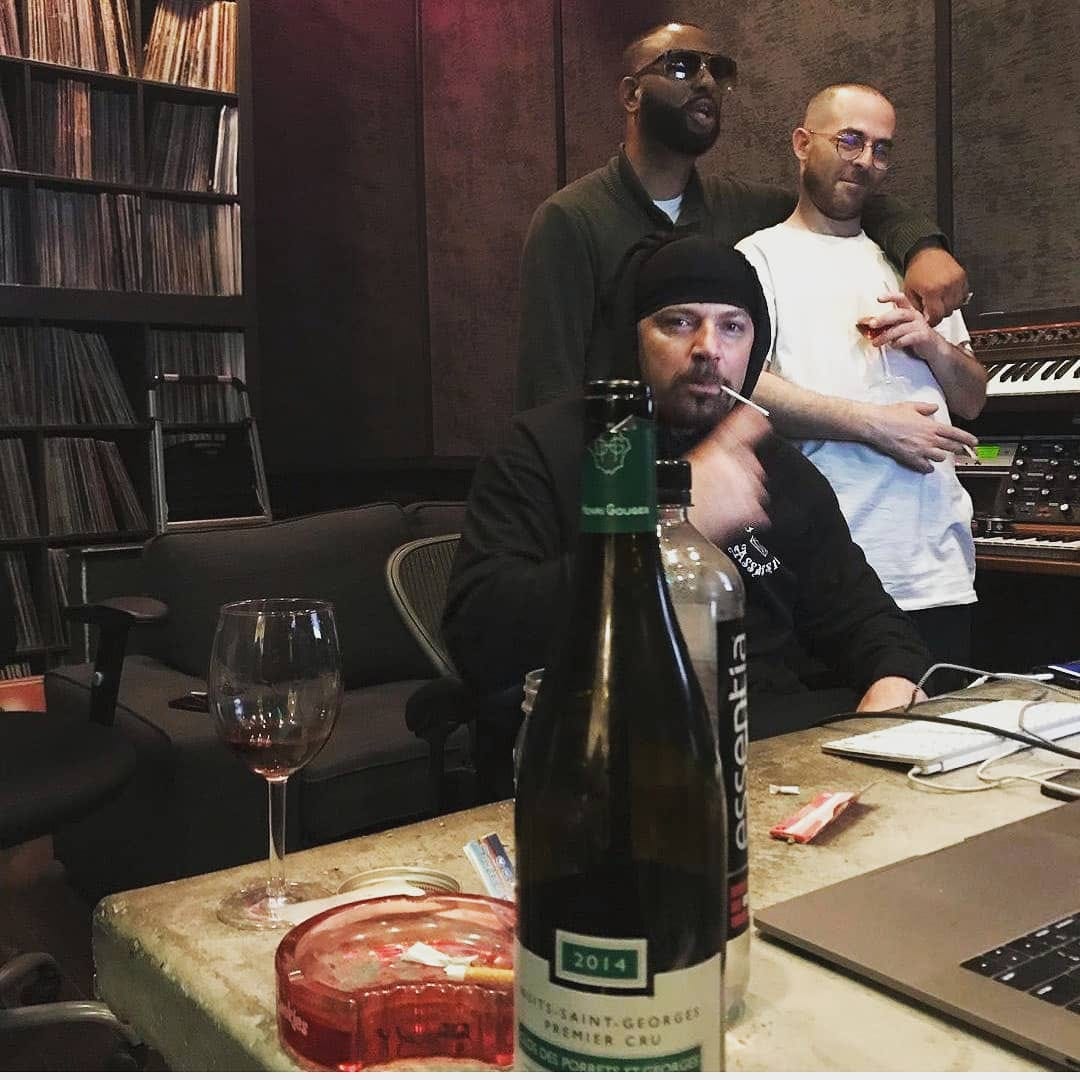
2020 Vision
Now a veteran of the game, some would say an OG, Alan Maman was 42 years of age. His output of projects in 2020 would arguably be his strongest year yet, with no misses or filler. Consistent in every aspect from merch to rollout to aesthetics and presence, it would be the year of panic and disaster where The Alchemist shined the brightest.
He kicked off 2020 in January, producing Stepdad for Eminem’s Music to Be Murdered By album, one of the first ever Alchemist-produced beats on an Eminem studio album. Previously, he had only done composition and production on compilation tapes aside from DJing for Em.
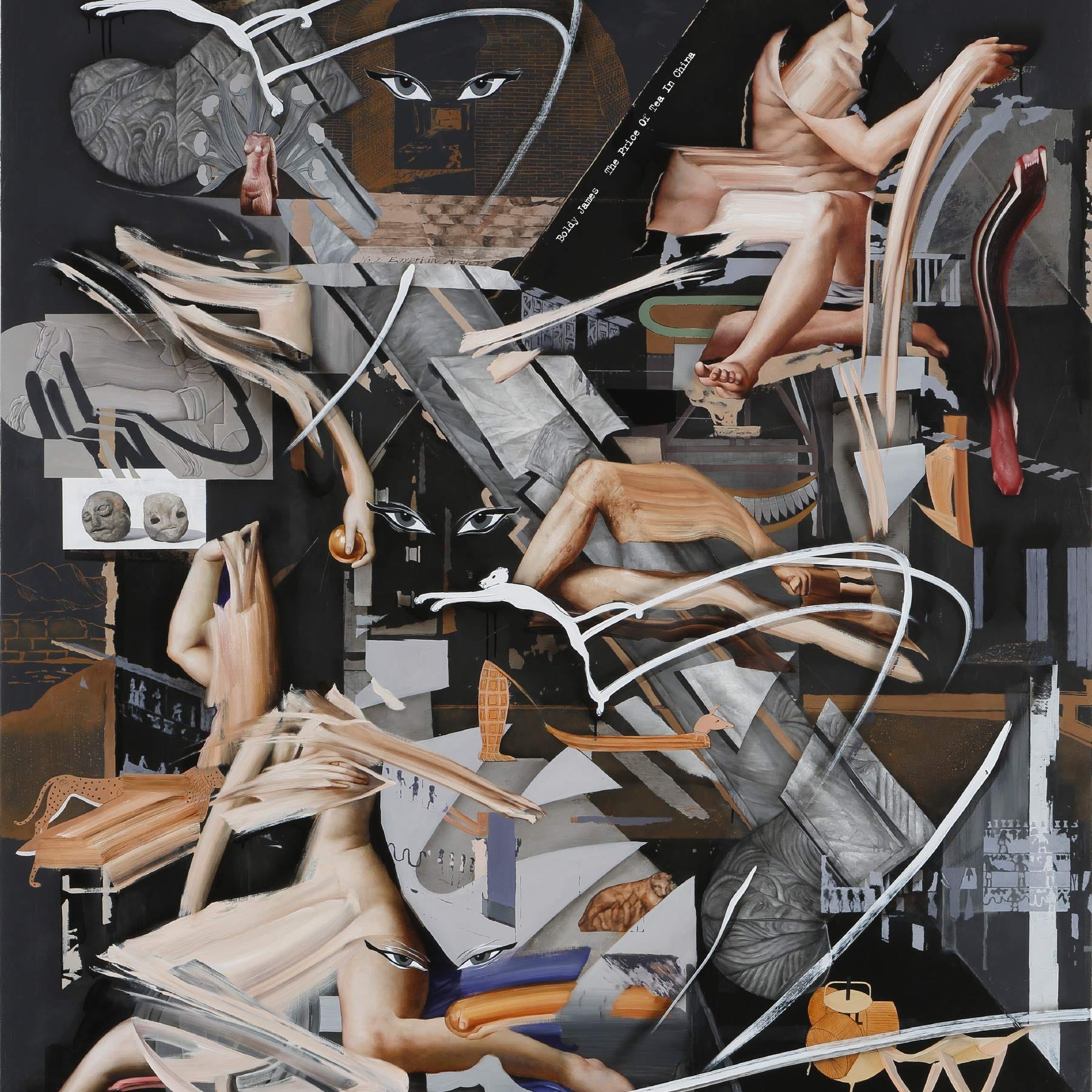
He followed this with an underground smash, a collaboration top to bottom with Boldy James titled The Price Of Tea In China, an artistic take touching on what sort of merchant work each artist has dipped their toes into.
Vince Staples, Benny The Butcher, Gibbs, and Evidence made appearances. Hailed early on as one of the strongest releases of the year, it received full treatment when it came to limited vinyl pressings and merch.
Followed up with a track for Roc on Marcilago titled Saw and another for Jay Electronica called The Neverending Story featuring Jay Z, it was barely March and Al’s output was causing jaws to drop. It wouldn’t be until he linked up with Conway for LULU, though, that’d make people lose their minds.
The Art of LULU
One thing Al kept close to his heart at all times was the concrete jungle of New York City; with that, upcoming and established artists that made his eyes get big. One of those artists was Conway the Machine. A keen ear to the streets at all times—no trend went unnoticed.
Griselda was one of the hottest acts in New York, and their product proved it. They were turning heads more than almost anyone in the game, and their bars were raw as hell. Brother of Westside Gunn and cousin of Benny The Butcher, Conway made a mark over the near-decade as having one of the sharpest pens in New York; not an easy achievement.
Recorded over several months, the album was bar after bar telling the story of Conway’s life. The cover was particularly interesting and overlooked. A great white shark portrayed off the coast of South Africa, a famous photograph shot by Brandon Cole, sent a clear message. Taking no prisoners.

Below, four photographs taken on the same day as the cover; little is known about the backstory, but variations can be seen with additional information for context. Believed to be a great white shark, RFID-tagged, off the Western coast of South Africa.


One of the first full-fledged projects where Conway did not enlist his Griselda family to lob a bar. Intentional—Conway’s style is calculated, and perhaps it was a showing of what he was capable of on Alchemist beats alone.
Hailed as one of the best releases of 2020 so far, alongside The Price Of Tea In China with Boldy James. A single month after his previous project had dropped, and despite the world falling apart with COVID-19, The Alchemist was coming out on top with two of the best albums in hip-hop.
It wasn’t even April yet.
In an interview with Rob Markman for Genius, Al comments on Conway's music and how he chooses who to work with:
I’m a fan first. I’m a fan of battle rap, I’m a fan of words. ... I always keep my ear open, tuned in.
The minute we [him and Conway] linked, it worked.
When Al expanded on Griselda’s work ethic, and how they recorded Griselda Ghost in a single 24-hour span, he went to confirm with Conway, exclaiming:
When they told me that, I said, ‘yo, get the fuck outta here, man,’ you know what I’m saying?
The quality didn’t sound like a microwaved meal. It sounded like they were putting their whole life into these records.
After producing two tracks for the widely-dapped Pray For Paris project by Gunn, he would drop arguably the most praised album of the year and a follow-up to 2018’s Fetti—Alfredo with Freddie Gibbs.
Alfredo
Released mid-2020, over 15 years since the two first crossed paths, roughly a year before Al released his solo debut. This album nailed down the mobster, post-noir, gangster, eerie aesthetic, blending past albums of both artists seamlessly into one another’s chemistry.
The audio embodiment of walking into an old italian ristorante with a tuxedo on. The listener was transported to another plane.
A fun collaboration and one that hip-hop heads had wanted to see for years. A large drop of merchandise appropriately themed after classic Italian diners and stereotypical pizza delivery services further enthused onlookers.
Receiving very high marks, Alfredo was a project for the ages. No question that both Gibbs and Al had cemented spots at the top of hip-hop, in quality and respect.
The one-on-one collaborative process Alchemist had preached from early on paid off heavily. He was no longer making songs people simply liked or bobbed their head to; he was generating some of the best music in hip-hop. Period.
Following Lamb Over Rice with Bronson, the two linked back up this year to do a track entitled Sergio for the Queens, New York native’s newest album, Only For Dolphins.
Most recently, he contributed a few tracks to Gunn’s newest project, Who Made the Sunshine, and took no time off to get to work on his upcoming project, The Food Villain.
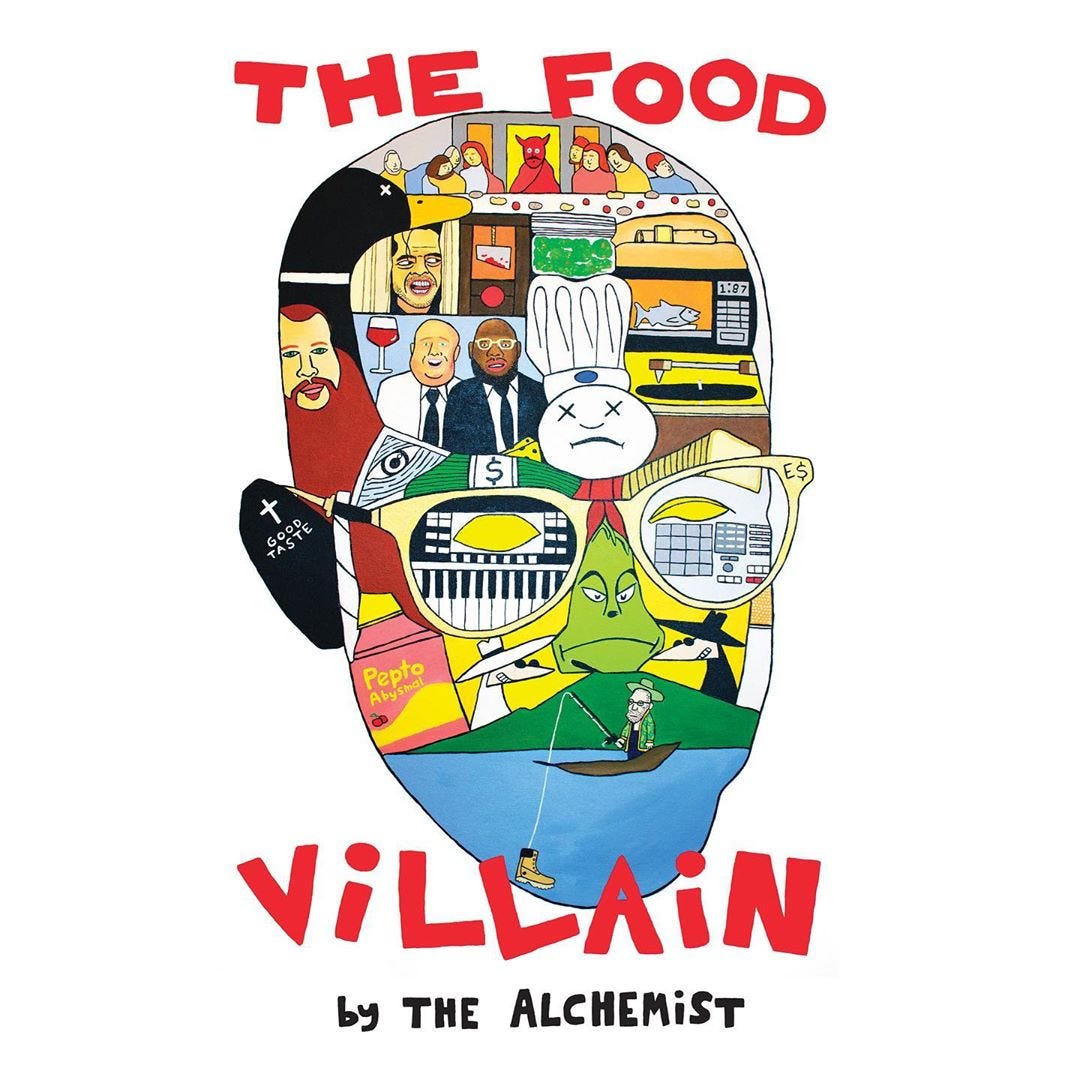
The Food Villain
Chris Grosso, co-founder of Munchies and Viceland, knighted Al with the nickname due to his notoriously funny personality of being a very picky eater throughout the Fuck, That's Delicious episodes.
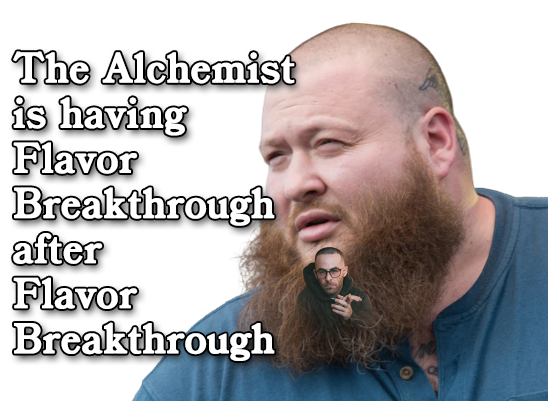
Despite experiencing multiple flavor breakthroughs, over time he had become an extremely villainous food critic when roaming with the usual crew around the world to taste test some of the finest food available, especially expensive cheese. Al also has been rumored to moonlight as a sommelier.
Initially believed to be a collaboration between the long-time producer and MF DOOM, it was revealed that this was not so. Following the release of LULU, Alchemist hopped onto Instagram Live and teased several tracks—one of which made waves throughout hip-hop, a remix of Action Bronson’s 2015 song Terry with an opening MF DOOM verse, as well as his previous DOOMSAYERS collaboration.
A food-centric album, even reminiscent of DOOM’s early concepts, it’s a fun album that perfects a niche aesthetic. Body and Bronson both make an appearance on the spacy album, featuring otherworldly synths and samples. Bronson, after all, was the individual who pushed Al to appear on the show and break out of his shell.
The dialogue shown below is sampled on Flavor Break-Thrus.
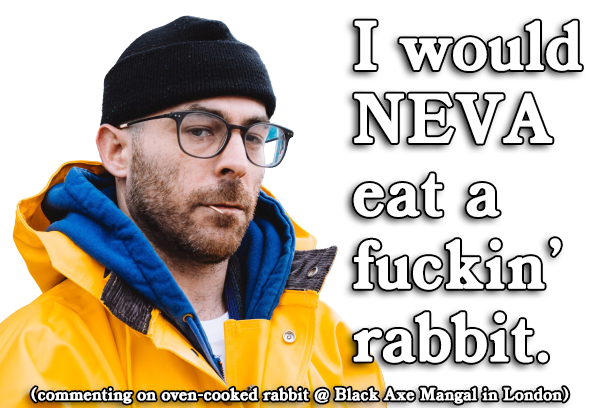
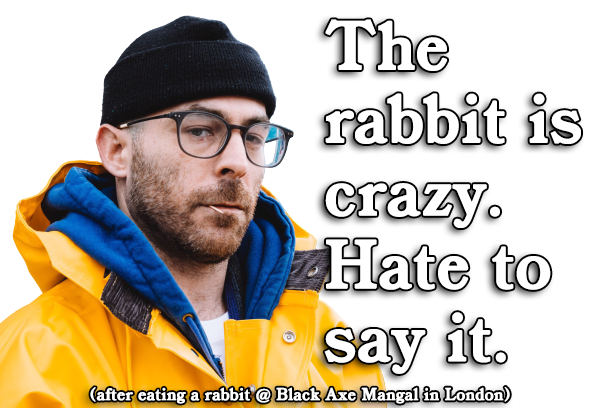
The album is filled throughout with samples of the crew speaking and cuts from old films, feeding into the evil villain archetype. Action Bronson clips, especially:
He’s just a villainous person.
...
The Alchemist is the most pickiest, tasteless human being when it comes to food.
...
He’ll eat things from 3 days ago with no regard for his own body!
A hilarious example of how a simple idea can turn into a full-fledged project. With a hint of genius production, it turns into an actually-good album. Everyone knows the clips are in good faith from those closest to him.
Although well-executed and crisp from front to back, it begs the question: does Al really hate cheese this much, or was he speaking from a hypothetical point of view? Say it ain’t so.
More interesting than the music was what it carried as a whole: an ode to the experiences he’s had around the world traveling with the crew on the shows he starred in. Not just a creative take on good-hearted jokes with friends—it was a painting of appreciation.
The friendships he made along the way. The whole process touched him as an artist and as a person.
2020 was showing this new, humanizing side of Al we had seldom seen, and we all want to see more of it going forward.
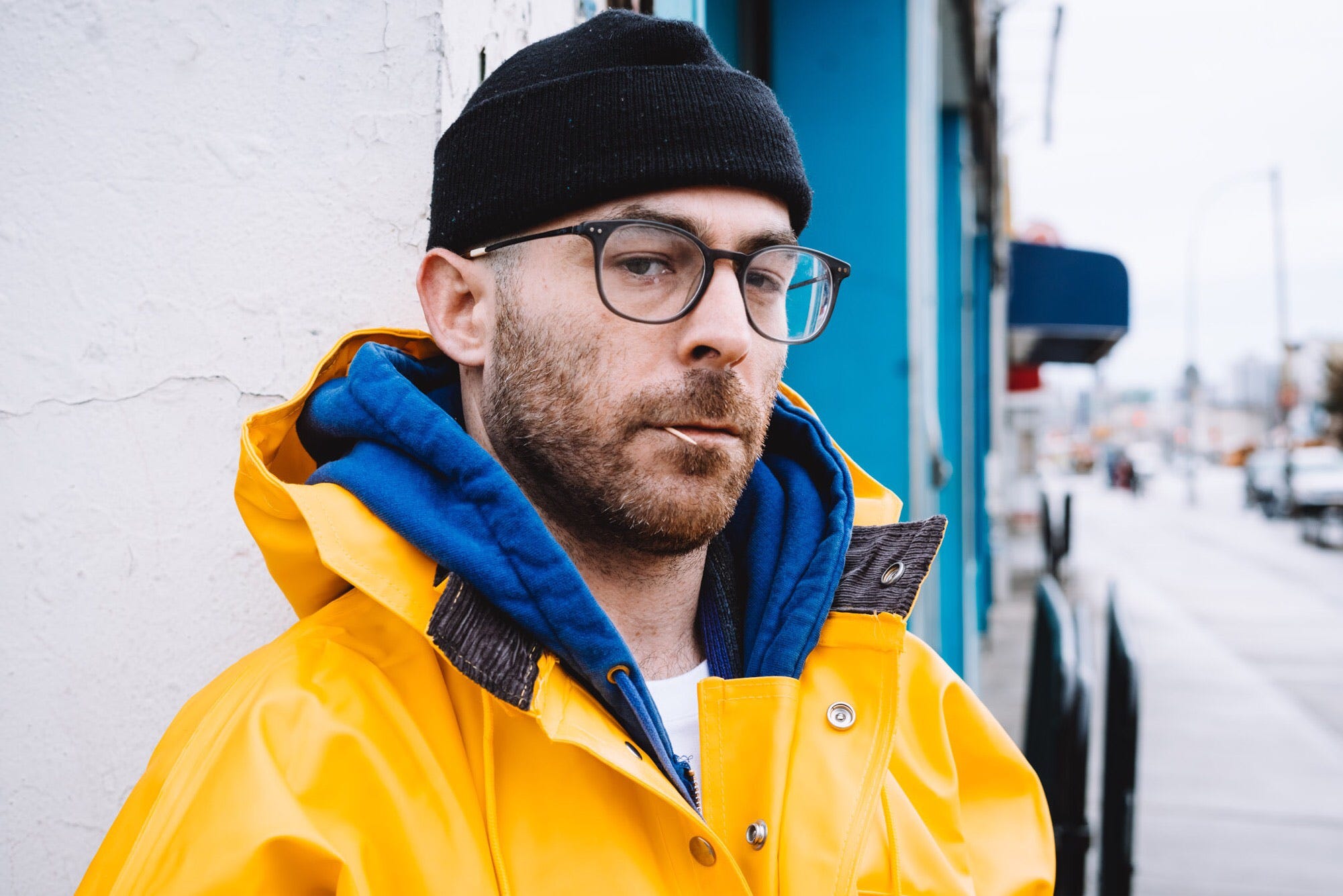
The Alchemist
Today is his birthday. Now 43 years of age, Alan Maman reflects on his time within the hip-hop scene. One of the most prolific producers to ever grace the pads and decks, he continues to strive for further continuing his legacy as one of the best to ever do it.
He has become more humbled over the years. He has made a name for himself on top of his art, as one of the most genuinely appreciative individuals within hip-hop. Top to bottom, figureheads and fans alike respect him all the same.
The Beverly Hills native is not after fame or fortune; he has stayed true to his words, crafting masterpieces for the sake of reverence, curating sounds carefully to make them timeless upon release.
Whether it was his unparalleled ability to make 2-bar loops sound identical to drums, his micro-chopping rivaling that of Dilla, or his beats making even the most snarky hip-hop connoisseur bob their head with glee, Maman had cemented his spot among the best in hip-hop, dead or alive.
His ability to maintain both quality and quantity, never sacrificing one for the other, is seen only with perhaps Madlib’s catalogue. Remaining humble by turning down a battle with the Beat Konducta himself, he laughs, but makes sure to pay homage:
Madlib would absolutely destroy me. Are you crazy?
Madlib is like my idol, that’s my brother too.
He’s on another planet of his own, he’s his own genre.
That respect Maman held with everyone in the game throughout his near 30-year career—it acted as muscle tissue, and he continues to uphold it.
For most of us, 2021 is right around the corner.
For The Alchemist, there’s still plenty of time left.